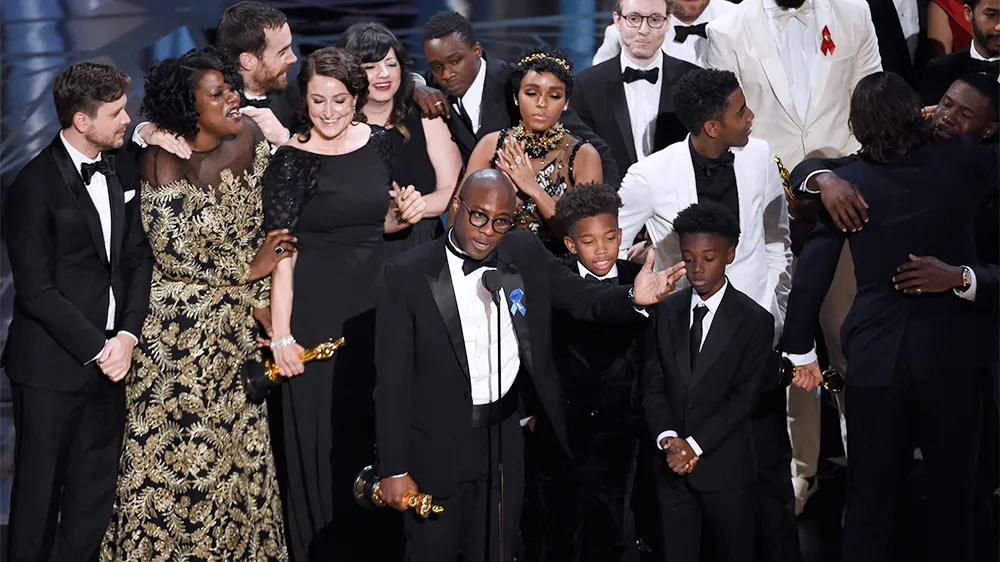
On January 15, 2015, Twitter user and activist April Reign wrote, “#OscarsSoWhite they asked to touch my hair,” in reaction to the fact that white actors received all 20 of the acting nominations for the forthcoming Academy Awards. The hashtag gained widespread popularity on Twitter on the same day.
Based on the 2016 timeline. Only 14 black performers have won acting Oscars in the 88-year history of the Academy Awards; the initial winner was Hattie McDaniel for Gone With the Wind in 1940, and the last was Mexican-born Lupita Nyong’o for 12 Years a Slave in 2014.
For other minorities, the pool of winners is considerably smaller. Just three actors of Asian heritage have received awards (the most recent being Haing S. Ngor in 1985 for The Killing Fields), and only five Latino actors have (Benicio Del Toro for Traffic in 2001).



Many Twitter users and well-known people of color in the film business made lighthearted comments about the hashtag. Still, they also harshly criticized the Academy of Motion Picture Arts and Sciences. A long-lasting social justice movement was sparked by #OscarsSoWhite. Reign drafted a reform manifesto.
However, her remarks, which followed #BlackLivesMatter, exploded like an enormous boom, setting the stage for a series of campaigns that brought greater scrutiny to the industry’s disregard for people of color, from Time’s Up for gender parity to #WhiteWashedOUT for Asian representation.
Nothing scares the film industry more than negative publicity, and by 2016, antiquated incentive systems had started to shift in favor of more diversity. Movies like “Get Out,” “Black Panther,” “Coco,” and “Crazy Rich Asians” sparked an ethnic wave at the box office and at the Oscars, where a record 13 people of color won prizes in 2019 alone.
Even if the Academy of Motion Picture Arts and Sciences made an effort to improve the conditions of its constituents, some people still believe that this is insufficient structural reform for Hollywood.
When it came to the 2020 Academy Awards acting nominations, #OscarsSoWhite remained topical. There was just a single individual of color among them: Cynthia Erivo for her role as Harriet Tubman in Harriet, which may have confirmed a long-standing pattern in which Black actors receive Oscar recognition solely for portraying oppressed characters or adhering to racial stereotypes.