Many protagonists shouldn’t be seen through rose-tinted lenses. Antagonism is as famous as admiration, which is usually reserved for the hero. But here are some movies that celebrate the haunting statement- protagonists that are actually antagonists. Let’s dive in.
Spoiler alert or not?
The Usual Suspects (1995)
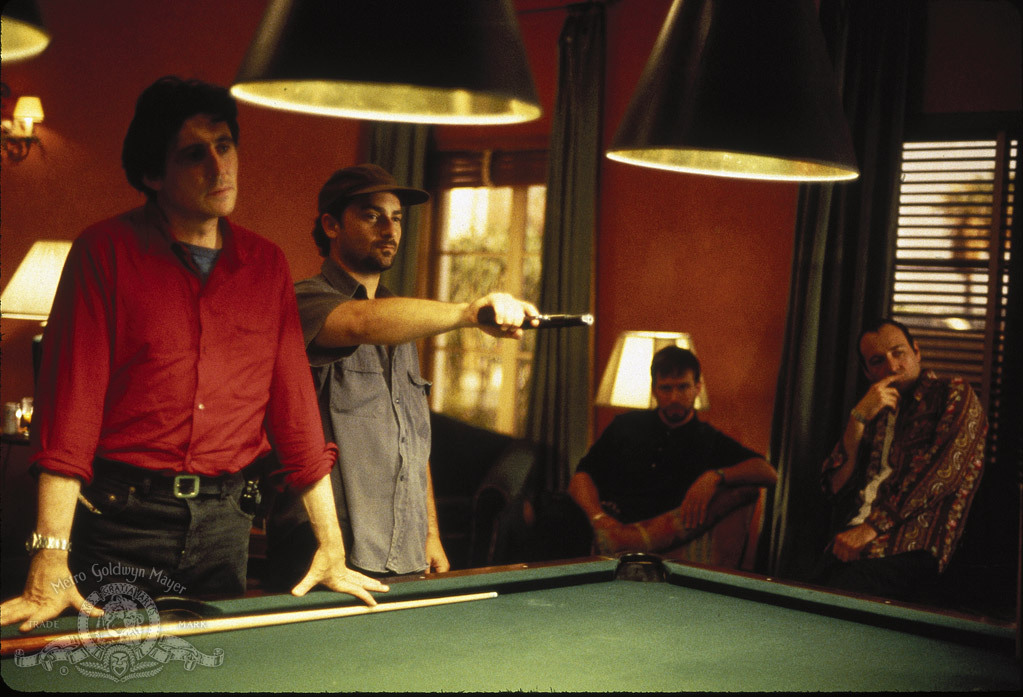
Con artist Kint compares the most mysterious criminal of all time, Keyser Söze, to the devil, saying, “The greatest trick the devil ever pulled was convincing the world he didn’t exist.” In addition to trying to persuade the federal authorities that the legendary criminal tycoon is real, Kint and his four accomplices were lured into a multi-million dollar theft that resulted in an explosion in San Pedro Harbor, leaving just a few people alive.


The Gift (2015)
Married couple Simon and Robyn have no idea that their idyllic lives will be plunged into a frightening whirl when they suddenly run into Gordo, a friend from Simon’s past. Simon doesn’t recognize Gordo at first, but a terrifying secret comes to light following a worrisome string of unexpected meetings and enigmatic gifts. Robyn starts to doubt how well she knows her husband after discovering the truth about what actually transpired between Simon and Gordo.
The Prestige (2006)
What’s better than two frenemies destroying each other? They spice up the antagonism a bit. A tragedy turns two friends and fellow magicians into fierce rivals. They commit to this contest, making sacrifices that earn them notoriety but have disastrous consequences. Obsession makes sure the movie doesn’t get overly gimmicky, even if Nolan employs his usual narrative bends, the tension between these two characters, and the examination of jealousy.
A Clockwork Orange (1971)
Alex, a fellow with a penchant for ultraviolence. He, with his delinquent friends in a futuristic dystopian Britain, commits acts of severe bodily harm, theft, and rape. Until he is apprehended and subjected to an unprecedented rehabilitation procedure, his wickedness endures. Alex’s severely distorted sensitivities and worldview are made visible to the audience by Kubrick’s decision to grant him such authority.
No Country for Old Men (2007)
Llewelyn Moss discovers the gory consequences of a drug deal while hunting. He can’t help but steal the money that was left behind, even though he knows better. When Chigurh, a ruthless murderer, follows him, the hunter turns into the hunted. Sheriff Bell, an elderly law enforcement official, is also searching for Moss. As he searches for Moss, he considers a changing society and his own sinister secret. Even though Chigurh appears to believe in nothingness but the inevitable rule of fate, he actually dresses in decay, an antagonist in a movie where the supposed hero was killed.
American Psycho (2000)
Millionaire banking executive Patrick is distant, conceited, ambitious, and egocentric. He is also a cold-blooded, cunning, and vicious serial murderer at night. The movie follows his dishonest life in a society that values outward appearances. Like Patrick, the film’s primary narrator is untrustworthy while being remarkably neat, well-groomed, and articulate. unable to distinguish between humor and horror when the audience examines his reality from his deranged, egocentric point of view. Regardless of how bizarre his story is, it also serves as an analogy for what happens when greed and capitalism combine to produce total insanity.
Joker (2019)
As the only caregiver for his sick mother, an unsuccessful comedian, and a solitary mental patient, Arthur attempts to create a perception of Gotham City, which continuously rejects him, makes fun of him, and drives him to the periphery. Arthur quickly transforms into a scary version of himself, making him a grenade. For the first time in the Gotham universe, Batman stood back, and Joker got the stage, which he made the most of. Joaquin Phoenix brought the comic book villain to life and transformed him into a genuinely melancholy persona.