How absence makes the fear grow fonder?
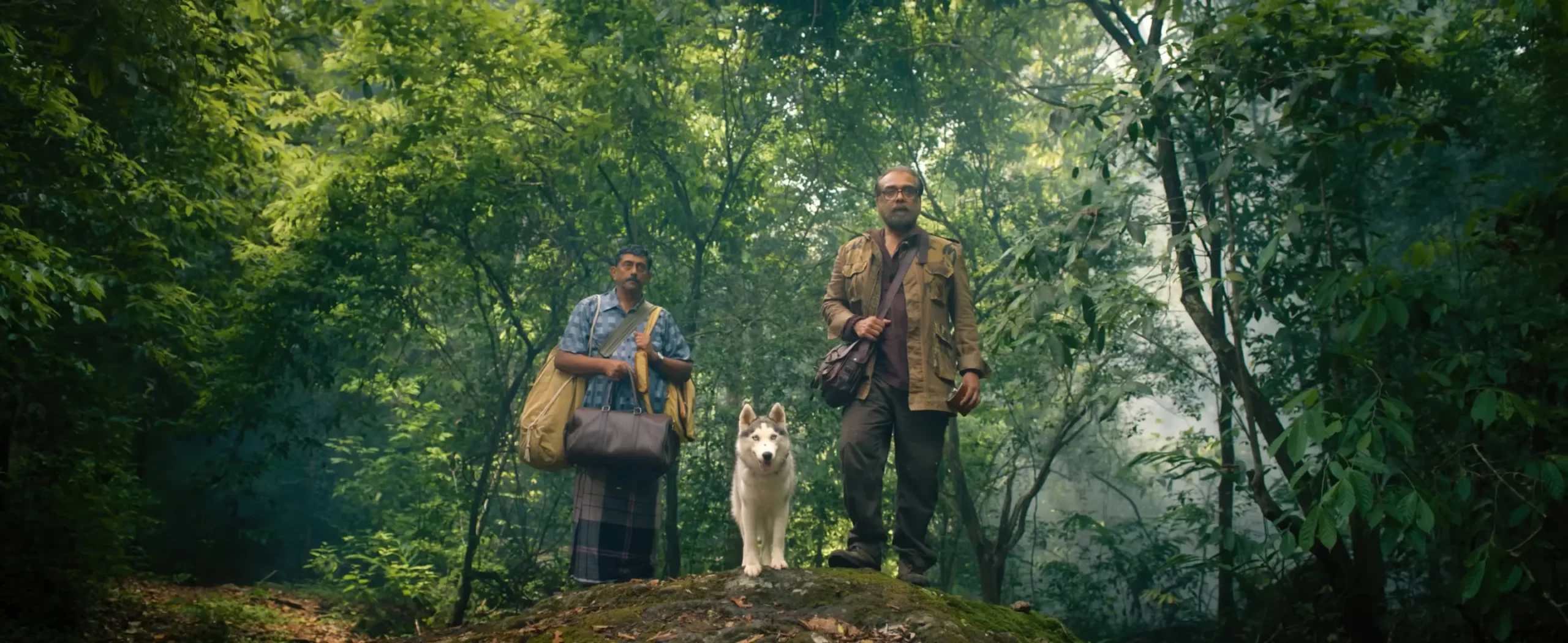
Eko bore the torch of all-encompassing mystery in an industry where thrillers are not widely seen. What is a mystery? A shadowy case of who-dunnit? Or where one unwinds all the dark corners of a plot to expose it to light? It is a broad question, but the answer resides in the substantiations of these two questions only. However, this film takes a step further. It defines another genre where the focus is not on the mystery but on why it is here. The newly released Malayalam movie was written by Bahul Ramesh and directed by Dinjith Ayyathan. Ramesh also handled the film’s amazing cinematography. Together, they stretch the fundamental framework of the genre into something far more eerie and less ostentatious.
The movie spans a wide range of eras and places, including the Second World War, the Malayali migration to nations like Singapore and Malaysia, and more modern times. It is a world of trusty assistants like Peyoos (Sandeep Pradeep), elderly and resilient folks like Mlaathi (Biana Momin), and dog breeders who will stop at nothing to create exotic breeds. But the main question remains unanswered: where is Kurianchan? Does his disappearance matter? This will unfold bit by bit.



The film starts with Mohan Pothan, who is looking for his missing friend, Kuriachan. He is soon found dead, as the mystery around Kuriachan grows deeper and deeper. The movie seems to be haunted by the latter’s absence, yet he is constantly present in the narrative of the characters. Peeyos lives through him. His eyes always search for his master. He is the human metaphor of the dog that always remained loyal. Mlaathi loses her identity and her name as soon as she marries him. He kills the dogs for a much larger reason- to get Soyi. Kuriachan doesn’t believe in the physical display of power; he generates power from the proponents of fear and vulnerability. The only one who broke this cycle was Soyi.
“Sometimes protection and restriction both look the same.”
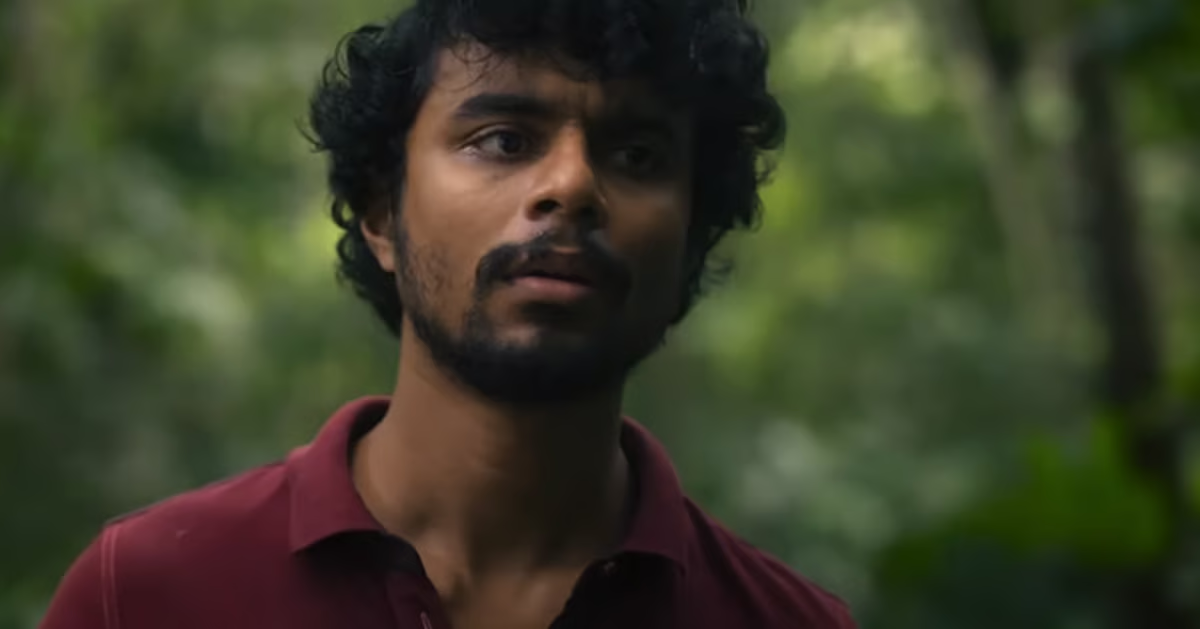
The dawning mountains echo a tale of revenge. It is not a straightforward ploy set up in vengeance; the seeds of revenge were long sown until they sprouted into a plant of voiceless fury. When Kuriachan went to claw his hands greedily in Soyi, he met with a furious pack of dogs. The bit Soyi because her husband trained them to protect her. Kuriachan killed them all without a shred of sympathy. His menacingly ironic words reverberate throughout the screen: “Sometimes protection and restriction both look the same.”
Soyi never murders Kuriachan. It would be too simple to die. The same “protection” that was really a “restriction” that she endured under both of her husbands, she keeps him alive but imprisoned. The dogs signify a whole other meaning than their animalistic nature. A group of dogs circling an unfamiliar person may appear honorable at one point and menacing at another. The ethical weight of the person who trained them is carried by what they defend, which is never neutral. They are not portrayed in the movie as heroes or villains. Rather, they serve as a metaphor for life forms that are impacted by their surroundings. Their violence is inherited rather than innate, their devotion is schooled, and their hostility is acquired.
If the movie makes any suggestions, it’s that both humans and animals fall into the well of downfall: once they are influenced by power, they start to replicate its cycles. Their past of captivity and treachery is linked to every aggressive impulse in them. The trace of another person’s dread is present in every protective gesture. The dogs in Ekō are metaphors for the flow of power among living things rather than for barbarism. They convey the idea that violence is typically taught rather than naturally occurring. In this way, compared to movies that either celebrate or demonize animals, Ekō provides a more comfortable cinematic experience. It presents the interaction between humans and animals as a complex history rather than a conflict between instinct and civilization.