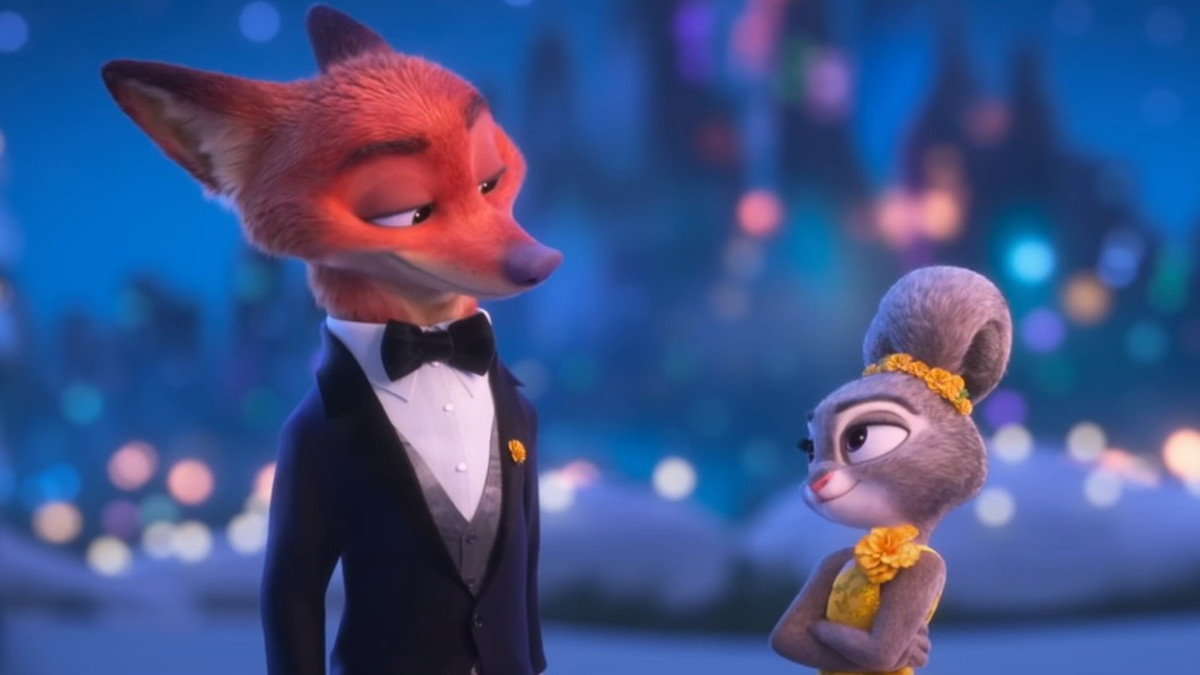
From Furries, Frenemies, and friends, Zootopia offers the perfect Utopia. In the mammal Metropolis, ‘anyone can be anything,’ this is where our beloved protagonist, a bunny named Judy Hopps, arrives. She aspires to be a part of ZPD, the Zootopia police force department. The police force is notorious for hiring large predators. She is an exception. She becomes a tool of blatant discrimination when a teacher at the police school tells her she won’t be able to achieve, or when the chief assigns her to parking duty while other cops work on the missing case. She is subjected to unjust treatment because of her modest physical appearance, her status as the only female in a male-dominated profession, and simply because she is different from others. Then, she meets Nick, the fox ( an adored one at that).
The world of Zootopia is fraught with differences and discrimination. Judy belongs to the species that have lived in fear; they are categorized as prey, while Nick is a sly predatory fox. Foxes in Zootopia do not enjoy a good reputation. Animals find it hard to trust a fox; however, this is where their dynamic is special. Two of them come from the opposite end of the spectrum. Nick wants to partner up with Judy because, despite all, she trusts him. Emmitt and the other missing predators, who are all “savage” and incarcerated in an asylum, were found by Judy and Nick. Leodore Lionheart, the mayor of Zootopia, issued the quarantine order and is attempting to identify the cause of their wild behaviour. Bellwether takes over as mayor when Lionheart and the asylum employees are taken into custody. Nick accepts Judy’s invitation to become a partner in the ZPD when she is commended for solving the case.
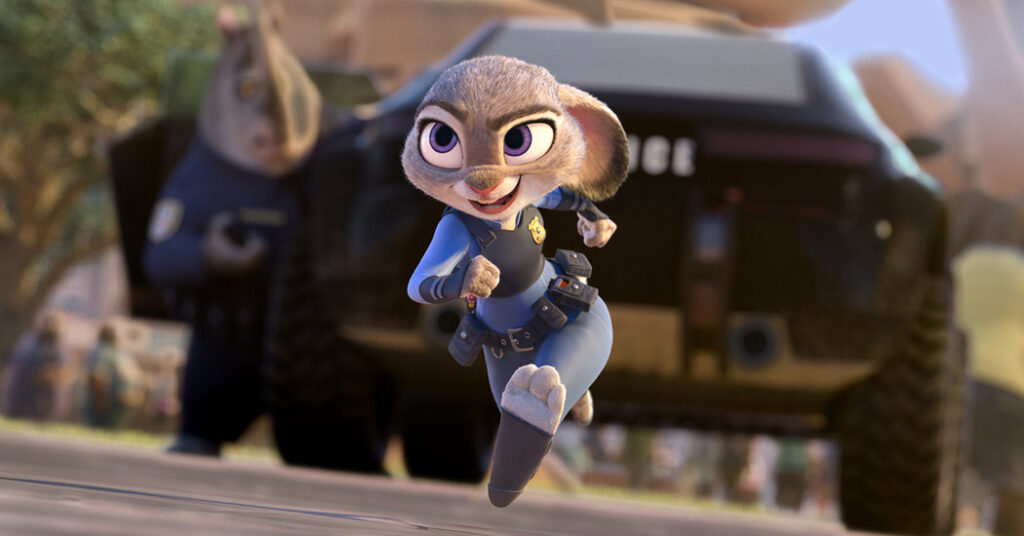
Mistakenly, Judy pronounces in a press conference that the predators’ physiology is the result of their barbaric behaviour. In layman’s terms, Judy believes that predators display predatory behaviour when they are genetically disposed to do so. This stands in stark contrast to the ideals of Zootopia. This upsets Nick. But the audience did not expect this from Judy. It is also worth noting that Judy internalized this prejudice from a young age. Her subconscious wrapped itself around the disastrous differences between species after being bullied by Gideon Gray, a red fox. Even on the surface, she believes in the idea that ‘anyone can be anything,’ but that doesn’t stop her fundamental biases, which she is also unaware of. This theme was not apparent in the movie, but the original Zootopia movie is much darker. The premise of the original was focused on Nick, who was supposed to be the main character of the story. All of the predators, including him, had a ‘tame collar’ around their necks, which emitted electricity when they expressed strong emotions such as rage, excitement, or even tremendous excitement. Nick intended to establish a predator theme park where they could be ‘collar-free’ and untamed, which resulted in the troubling stereotypes and systemic oppression.


The vices of systemic oppression are signalled more fiercely when Koslov’s son is forced to wear a tame collar at his birthday party, but he becomes so excited that the baby bear is almost electrocuted. In this deleted scene, Judy looks at Nick, whose collar has turned yellow as he is displaying strong emotions. The world-building of the original version would have been darker and not more suited for children’s eyes. The collar controlled the existence of predators; the main villain was a pig named Mayor Swinton. The pigs are known as intelligent creatures, she would’ve manipulated the police to launch he prey-supremist revolution. No one can deny the fact that ‘Zootopia’ sprang its roots from George Orwell’s work ‘Animal Farm,’ a sharp critique of a totalitarian regime. The pigs control the farm animals through their intellect, and anyone who doesn’t obey them is banished from their realm. The book’s motto, ‘All animals are equal, but some animals are more equal than others,’ runs rampant in the Zootopia franchise. The anatomy of the prey and predators distinguishes them sufficiently, but fear rules the populace in the final, less gloomy version.
Fear is a powerful weapon if used wisely. How can we forget that Mayor Bellweather used the weapon of fear to mould the individuals to her will? Just like Mayor Swinton, she wanted to establish a prey-utopia where predators would not even exist. She employs Midnicampum crocus flowers to construct her supreme idealistic vision, but did the oppressed accept it quietly? No, they walked to the streets to stand up for their rights because equality cannot be maintained in a society where individuals are unfairly treated simply because they were biologically born differently. The difference did not appear on the threshold of their adulthood, but was always present; this is seen in Nick’s history, when he is isolated by his friends because they could not trust a fox. He became an instrument of internalized prejudice that could not be overcome. Nick’s character illustrates Steele and Aronson’s threat hypothesis, in which stereotype threat is a negative reaction caused by fear of stereotypes in one’s social group. Now, we know the psychological reason why he turned out to be a trickster fox, who doesn’t care about those around them.
As everyone is aware, Zootopia is amazing, and Mammal Metropolis is loved by all. However, the world mirrors our own with all its magic and misgivings; perhaps that’s why it is so eye-catching and thought-provoking. With the coming of Zootopia-2 in theatres, the audience will be open to more of its enchanting world-building, so they won’t be able to peel their eyes off the screen. Mind you, it’s not an exaggeration.